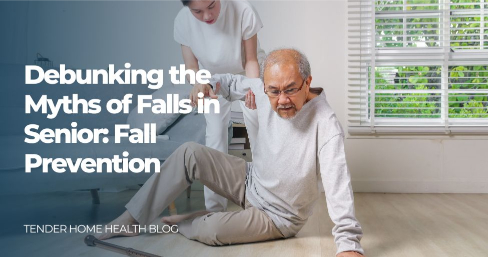
Falls are often associated with aging, but many misconceptions about older adults and falling can create unnecessary fear or mismanagement. In this blog, we’ll debunk common myths about falls in seniors and provide practical tips to ensure safety and confidence. Whether you’re a family member, caregiver, or a senior yourself, understanding these myths can help prevent falls and support a healthier, safer lifestyle.
Common Myths About Falls in Older Adults
1. Myth: Falling Is an Inevitable Part of Aging
Truth: While aging increases fall risks due to factors like reduced balance or muscle strength, falls are not unavoidable. Preventative steps like balance exercises and home modifications can significantly reduce the risk.
2. Myth: Staying Home Prevents Falls
Truth: Most falls happen at home due to tripping hazards, poor lighting, or unsecured rugs. Taking steps to make your home safer is more effective than avoiding activity outside.
3. Myth: Using a Cane or Walker Increases Dependence
Truth: Mobility aids like canes and walkers can improve stability and prevent falls, allowing seniors to maintain independence safely.
4. Myth: Medication Doesn’t Affect Fall Risk
Truth: Certain medications can cause dizziness or drowsiness, increasing the risk of falling. It’s important to review medications regularly with a doctor.
Practical Tips for Fall Prevention
1. Exercise Regularly
Strength and balance exercises, such as yoga or tai chi, improve coordination and muscle strength, reducing the likelihood of falls.
2. Keep Your Home Safe
Remove tripping hazards like loose rugs and cluttered walkways.Install grab bars in bathrooms and handrails on stairs. Ensure proper lighting, especially in hallways and staircases.
3. Wear Appropriate Footwear
Shoes with non-slip soles and proper support are essential for stability. Avoid slippers with no grip or walking barefoot on smooth surfaces.
4. Have Regular Vision and Hearing Checkups
Good vision and hearing are crucial for detecting obstacles and maintaining balance.
5. Review Medications with a Doctor
Some medications can affect balance and coordination. Discuss any side effects or potential interactions with your physician.
How In-Home Care Services Can Help
In-home care services can play a significant role in fall prevention for seniors. Caregivers can:
– Conduct home safety assessments to identify and remove risks.
– Assist with mobility and daily tasks to ensure safety.
– Encourage and guide seniors through regular exercise.
– Monitor medication schedules to reduce side effects like dizziness.
If you’re in Los Angeles, Tender Home Health offers professional in-home care services tailored to the needs of older adults.