“They told us Mom was ready to go home, but no one explained what to do next.”
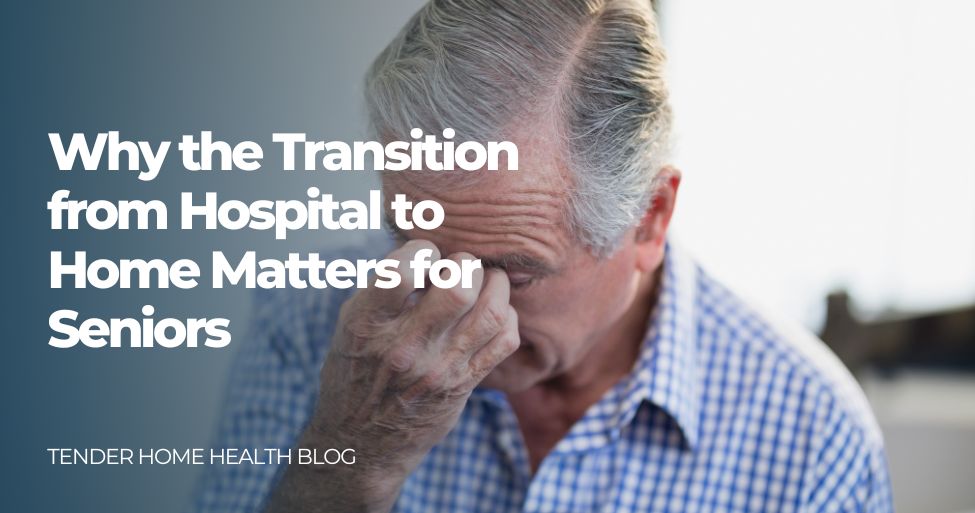
That moment of uncertainty, of not knowing what comes after discharge, can be risky for older adults. Seniors often face higher chances of complications or readmission in the days following a hospital stay.
According to the Centers for Medicare & Medicaid Services, nearly one in five hospital patients are readmitted within 30 days, many of whom are older adults with complex health conditions like heart failure or COPD NIHR Evidence+6ScienceDirect
Why the Hospital-to-Home Transition Is So Critical
1. Health Risks Post-Discharge
The immediate period after discharge can be tricky. Seniors may struggle with:
– Managing multiple medications
– Weakness or balance issues
– Confusion about follow-up care
Without proper support, these challenges can result in hospital readmission, sometimes for avoidable issues.
2. Complex Care Needs for Older Adults
Older adults often have chronic conditions requiring careful coordination among different treatments and providers. Studies show that targeted transition programs like BOOST or Transitional Care Models reduce 30‑day readmissions by 5–21% Wikipedia+1British Geriatrics Society
3. Home Care Leads to Better Outcomes
Newer models like Hospital-at-Home, where seniors receive hospital-level care in their own homes, show promising results. Research from CMS and Massachusetts General Brigham indicates home-based acute care can lower mortality rates, reduce complications, and improve satisfaction Oxford Academic 7American Medical Association
Proven Strategies for a Smooth Transition
1. Clear Communication and Discharge Planning
Families need step-by-step instructions before heading home:
– A written medication schedule
– Follow-up appointment info
– Warning signs that need medical attention
2. Coordinated Care and In-Home Support
Studies show that transitional care programs involving nurses and trained caregivers improve outcomes and reduce hospital visits
A well-managed handoff includes medication review, a safe home visit, and coordination with primary care.
3. Medication Management Made Easy
Complex medication regimens are a common cause of readmission. Research shows older adults using guided care or telehomecare experienced fewer emergency room visits Wikipedia.
4. Ensure Home Safety
A home safety review, checking for tripping hazards, assistive devices, and essential care tools, cuts the risk of falls and medical errors.
5. Ongoing Monitoring and Support
Follow-up phone checks or telehealth visits help catch signs of trouble early. One study highlighted that 30-day check-ins significantly reduced readmissions in the elderly.